
Dear Neighbor,
After months of fighting for a fiscally responsible state budget, I’m excited to announce that we finally got the job done and successfully passed a budget that invests in our community and communities around Michigan! This agreement centers on people-first investments to lower costs, protect vital services, fix our roads, and expand opportunities for Michigan families. It also delivers on major priorities like free school meals and blunts harmful Medicaid cuts.
Unfortunately, our counterparts in Washington have not passed a budget, leading to a shutdown of federal departments and agencies. While we continue to navigate this challenging political environment, please know that my office is here to help you. Whether that is keeping you informed of the latest developments, answering any questions you may have, or helping with challenges you may be facing with state departments, we’re here for you!
You can reach me and my team by emailing sensshink@senate.michigan.gov or calling (517) 373-2426. Also, please visit my official Facebook page or website for the latest updates.
Sincerely,

Sue Shink
State Senator
14th Senate District

- Mark your Calendar! On Nov. 6, I’ll be hosting a Community Conversation in Ann Arbor at the Traverwood Branch Library at 6:30 p.m. See details below.
- The Legislature has passed a bipartisan budget agreement that invests in you, your family, and our community. Read on to learn more about the exciting investments we’re making to build the future of our state.
- With Congress not having reached a budget agreement, the federal government has entered a partial government shutdown, causing indefinite delays and interruptions to various public services and programs millions of Michiganders and Americans rely on. Find out how you and your loved ones might be affected below.

Community Conversation in Ann Arbor

I’m excited to host a Community Conversation on Thursday, Nov. 6, from 6:30 to 7:30 p.m. at the Traverwood Branch Library in Ann Arbor. I look forward to seeing you there and hearing your thoughts!
WHEN: Thursday, Nov. 6, from 6:30 to 7:30 p.m.
WHERE: Traverwood Branch, Ann Arbor District Library, 3333 Traverwood Dr., Ann Arbor, MI 48105 (SW corner of Traverwood Dr. and Huron Parkway)

Bipartisan State Budget Passes Legislature, Signed by Governor
Budget Protects Medicaid, Counters Severe Federal Cuts, Fixes the Roads, and Keeps the State Open
Since day one, I’ve been focused on this goal: finalizing a state budget that invests in the people who call Michigan home. While it was a long and sometimes arduous process of getting here, I’m excited to say that the Legislature has passed a bipartisan budget agreement that reflects the values I’ve been fighting for — strong schools, safe communities, lower costs, access to health care, and opportunity for all.
Our final budget deal works to fill critical gaps caused by cuts from the Trump administration, ensures stability in the services people rely on to survive and thrive, and protects what matters most to Michigan families. More specifically, it includes investments to:
- Support Students and Schools: Secures the highest-ever per-pupil funding, $10,050, continues the widely popular universal school meals program, and increases funding for at-risk students, school safety and student mental health, and more.
- Lower Costs: Continues the retirement tax repeal to save seniors $1,000 per year, makes child care more affordable through the Tri-Share program, and supports workforce training opportunities.
- Improve Maternal and Infant Health Outcomes: Expands the successful Rx Kids program, providing direct cash assistance to new moms and babies.
- Protect Vital Services: Saves Medicaid in Michigan to ensure health care remains accessible and affordable, protects SNAP benefits and the Double Up Food Bucks program, and continues support for police and fire departments.
- Implement a Long-Term Road Solution: Requires that corporations pay their fair share, enabling a sustainable plan to fund road repairs without raiding our schools or other essential programs.
- Fight Federal Cuts: Mitigates the worst impacts of the “One Big Beautiful Bill” to prevent a $1 billion budget hit and protect health care access, public safety, schools, and more.
To read more about what this budget means for Michigan, visit SenateDems.com/budget.
How the State Budget Invests in Our Local Community
In addition to big-picture investments, our final budget agreement included millions of dollars for priority projects throughout our community.
These projects were identified through countless conversations I had with constituents, local leaders, and community organizations during the months-long budget process. In these discussions, I focused on finding ways we could target state dollars in a meaningful way to ensure we could have the biggest impact on our local economy and residents’ everyday lives.
Key highlights include:
- $1,000,000 for Waterloo Recreation Area to acquire 160 acres of wooded rolling hills, wetlands, and wildlife habitat, conserving natural resources and expanding access to outdoor recreation.
- Over $1,000,000 for Chelsea’s Main Street Park acquisition to expand recreation opportunities.
- $1,500,000 for Jackson County’s Cascade Falls Park restoration project.
- $1,000,000 for Huron Waterloo Pathways initiative to create and support non-motorized pathways.
- $1,000,000 for the Treeline Conservancy in Ann Arbor to create and support non-motorized pathways.
- $750,000 for the City of Jackson for improvements to trails in Ella Sharp Park and a bike library.
- $200,000 for Minard Mills Park renovations in Jackson County, improving accessibility and infrastructure.
- $300,000 for the Dixboro Road Pathway connection project, establishing a trail to connect Ann Arbor Township to the city of Ann Arbor, the Iron Belle Trail, and the Border-to-Border Trail.
- $400,000 for the City of Dexter Mill Creek Park to improve safety and enhance accessibility.
- $1,000,000 for Jackson’s Interfaith Shelter to improve resources and access for residents experiencing homelessness or poverty.
- $950,000 for Goodwill’s Flip the Script program to support community re-entry for justice-involved people.

Recovery Housing Opens in Jackson
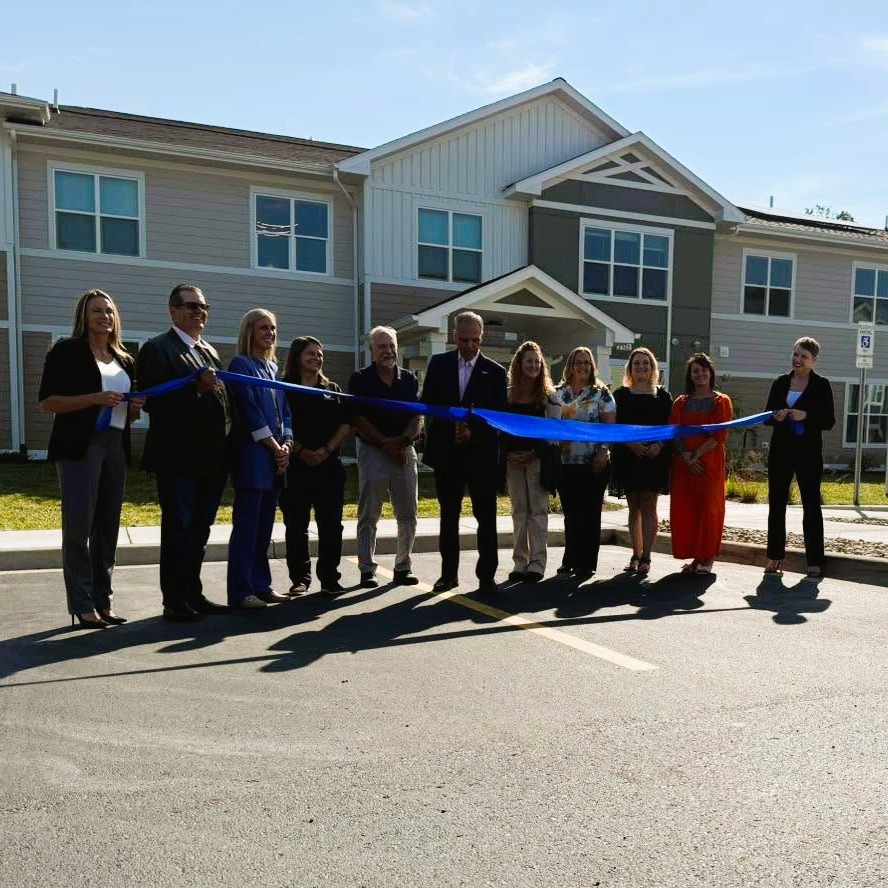
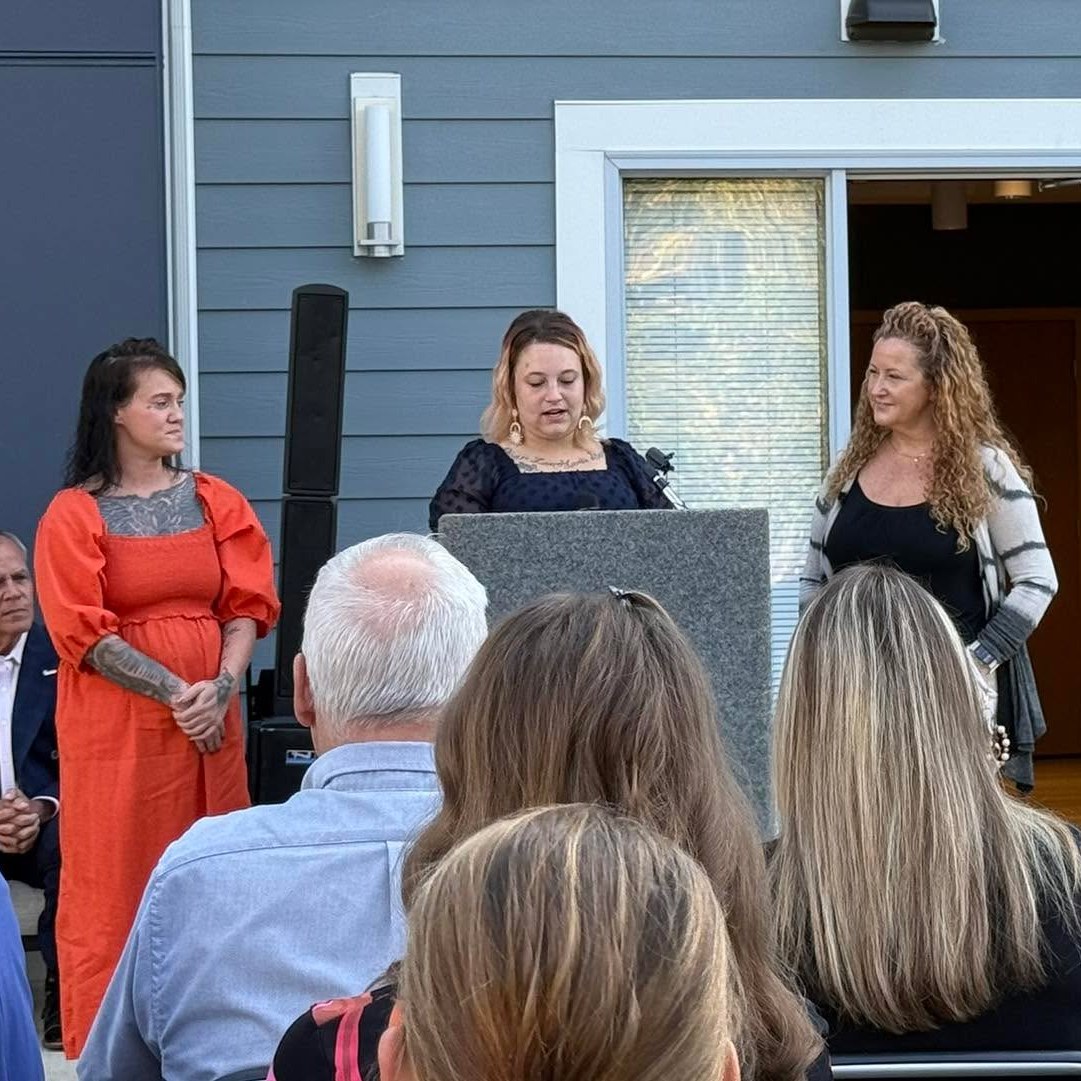
The McDaniel Apartments, the second phase of Andy’s Place in Jackson, celebrated their grand opening. This Permanent Supportive Recovery Housing community provides safe, affordable homes for families recovering from opioid addiction. I was happy to support this project with a $3M grant in last year’s state budget.
Menopause: It’s a Movement!
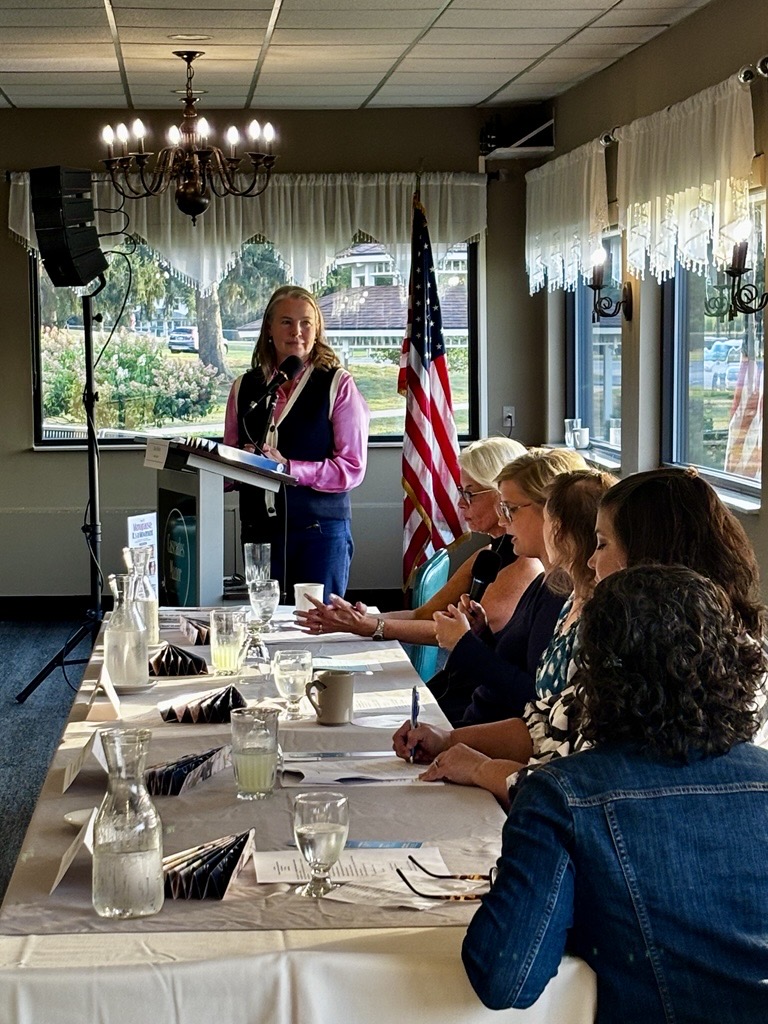
The Michigan Women’s Commission holds conversations around the state called Menopause: It’s a Movement! I was honored to moderate the discussion in Jackson. Menopause isn’t just a women’s health issue; it’s a community health issue. Health care is a human right, and that includes access to appropriate care for everyone at every stage of life.
Affordable Energy Conversations
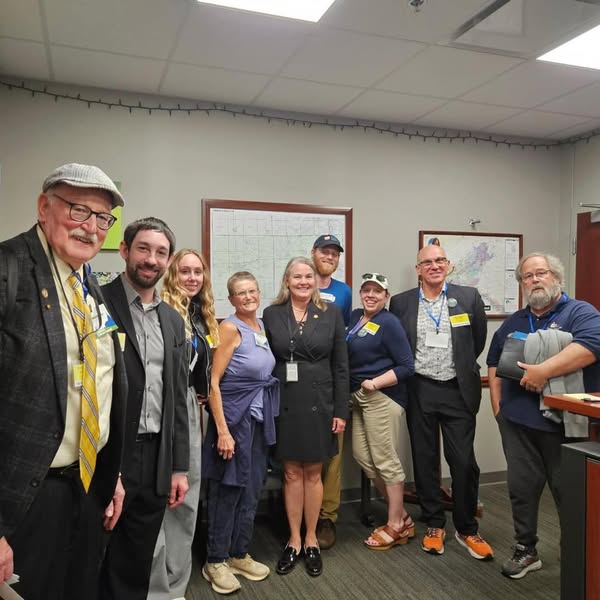
I met with members of Michigan Energy, Michigan Jobs to discuss their concerns on clean energy and energy affordability. I’m committed to making energy affordable for all Michiganders.
Talking with Jackson and Ann Arbor Neighbors
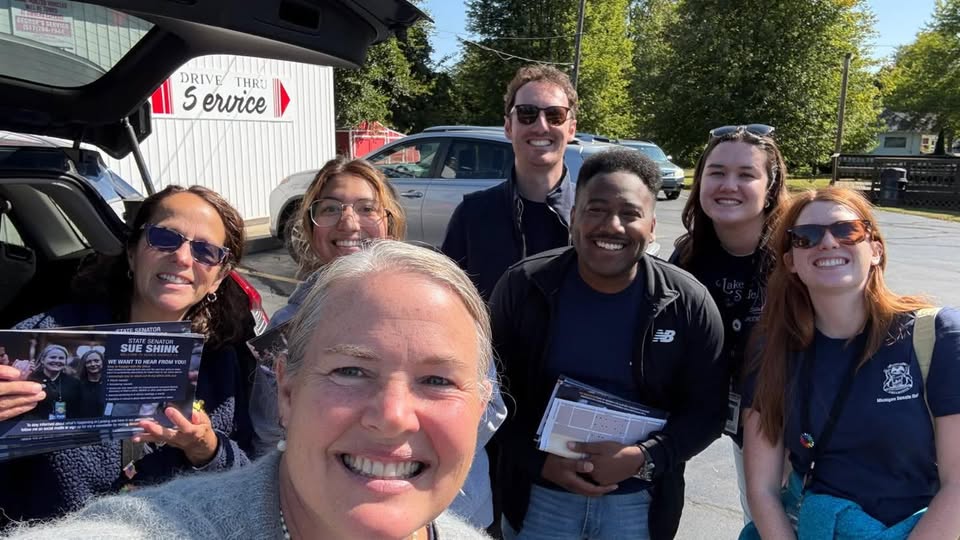
My team and I were out in Jackson and Ann Arbor talking with constituents — meeting people where they’re at!
Warner Elementary Visits Capitol
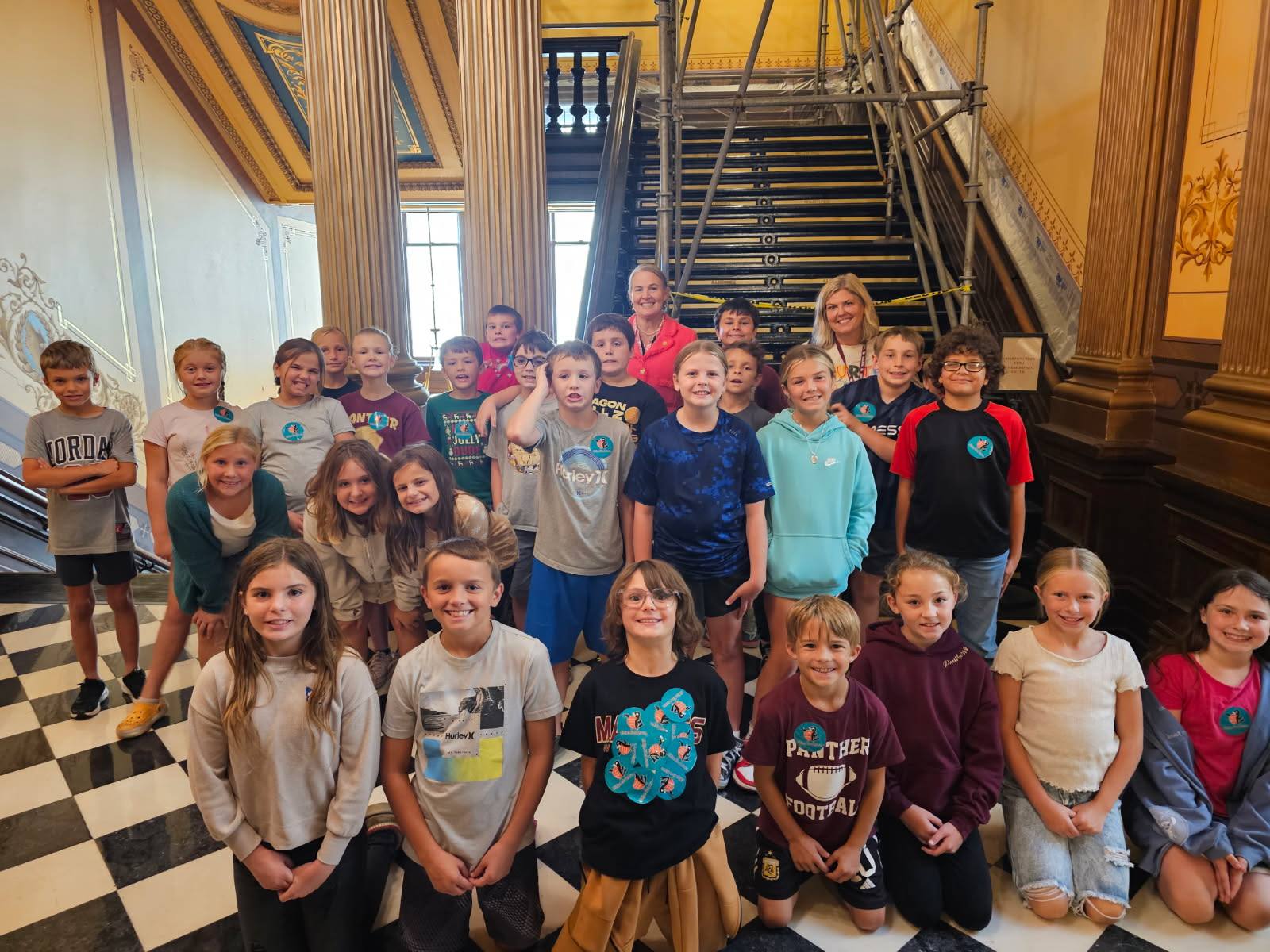
Thank you, students from Warner Elementary, for coming to the Capitol and brightening our day! It was great to meet you.

Federal Shutdown: How Will it Impact Me?
With a budget bill not passed by Congress to fund government operations before this new fiscal year, the federal government has entered a partial government shutdown starting just after midnight on Oct. 1, 2025, causing indefinite delays and interruptions to various public services and programs millions of Michiganders and Americans rely on. Find out how you and your loved ones might be affected below.
- Social Security & Supplemental Security Income (SSI): These benefits will continue to be distributed during the shutdown. However, the Social Security Administration (SSA) will stop benefit verifications and processing of overpayments. Local Social Security offices may be closed to in-person service, so you should check local office closures on the Social Security website before visiting.
- Medicare & Medicaid: These benefits will continue to be distributed during the shutdown. However, you will not be able to get a new or replacement Medicare card, and benefit verifications will stop.
- Food Assistance: Unfortunately, the Special Supplemental Nutrition Program for Women, Infants, and Children (WIC) could quickly run out of funding and soon be unable to help hungry children and parents in need. Depending on how long the shutdown lasts, Supplemental Nutrition Assistance Program (SNAP) benefits could also run out of funding.
- Veterans Benefits: All Veterans Affairs (VA) medical facilities and clinics will remain fully operational. The VA will continue to process veterans’ benefits.
- Mail Services & Post Offices: The United States Postal Service (U.S.P.S.) will continue to operate as normal.
- Airports & Traveling: The State Dept. will continue to issue passports and visas and assist Americans abroad. However, a reduced workforce could impact operations. If you have flight arrangements, plan for delays and cancellations due to disruptions in staffing of airport employees, air traffic controllers, and TSA agents — all who are deemed essential and expected to work, but without pay.
Please be aware that due to the reductions and disruptions in staffing caused by the shutdown, you may experience delays and other issues associated with these federally provided programs and services. Learn more here.
Michigan State Police Launches Campaign to Protect Kids from Online Predators
Education is the best defense against online predators, and with the threat of online sexual predators on the rise, it’s more important than ever to increase public awareness of these dangers. Predators use social media, messaging apps, and gaming platforms to gain access to minors, and any child online can be a target.
The Michigan Internet Crimes Against Children Task Force recently launched the “Opening the Door” campaign to encourage parents to be proactive in warning their kids about the risk of online predatory behavior, including grooming and sextortion. Prepare your kids for what can happen or what to do if something scary or harmful occurs by visiting Michigan.gov/ICAC.
Rural Road Safety
Michigan’s Office of Highway Safety Planning reminds us to be mindful of safe driving practices on our roadways. Michigan’s rural countryside offers small towns, villages, forests, and farm fields. The scenery can be beautiful, especially in autumn, but comes with unique road safety concerns. Read on for tips on staying safe on our rural roads and highways.
Winding country roads, hidden driveways, unexpected sharp curves, and steep hills can challenge even the most experienced drivers, especially in unfamiliar surroundings. Road surface changes from asphalt to loose gravel or dirt may result in losing control of the vehicle when driving too fast. Take your time, slow down, and never pass the vehicle in front of you unless you can see the road is clear of oncoming traffic. Most rural roadways are two-way roads. This increases the risk of a traffic crash from unsafe and illegal passing of vehicles.
Be aware of narrow roads, roads with little or no shoulder, and deep roadside ditches, drains, and culverts while driving in rural areas.
With few or no sidewalks and narrow road shoulders in rural areas, pedestrians often walk on the roadway. Drivers should be alert to pedestrians on the road, especially with low visibility at dawn and dusk and during foggy, rainy, or snowy conditions.
Pedestrians must walk on the left side of the road facing oncoming traffic and should wear highly visible clothing to avoid being struck by a vehicle.
Railroad crossings in rural areas don’t always have gates or flashing lights, so be extra cautious when approaching a railroad crossing.
Rain, snow, ice, and wet leaves can create slippery roads. It can be easy to hit a slick spot and lose control of your vehicle. Driving at slower speeds in rainy, snowy, or icy weather may help avoid traffic crashes and save lives.
Fog can significantly reduce a driver’s ability to see on rural roads. Visibility can be reduced to just a few feet in front of you. Drive with your vehicle’s headlights on low beam to improve visibility. Never use your vehicle’s headlights on high beam in foggy conditions.
Throughout most of the state, we can see wildlife crossing the roadways year-round. Deer movement increases from October through December. There are more than 50,000 deer-related traffic crashes each year in Michigan. Deer are the most active at dawn and dusk, so be prepared for deer to dart out onto the road when driving in rural areas.
When Michigan farmers are harvesting crops in the fall, we see more tractors, combines, and farm trucks on the roads. These farm vehicles are considered slow-moving vehicles (SMVs) and drive at slower speeds, usually less than 25 mph. Be prepared to slow down if you come upon any vehicle — including an Amish buggy — displaying the reflective orange and red SMV triangle sign. Do not try to pass these vehicles or buggies unless you can see the road is clear of oncoming traffic.
If you are in or witness a traffic crash, call or text 911 so emergency responders can get to the scene as soon as possible. Be prepared to tell emergency responders your location, if anyone is injured, and if anything is blocking the road. Depending on the remoteness of your location, GPS devices may not be reliable.