Dear Neighbor,
Affordable, accessible healthcare has always been one of the most important priorities for residents here in Mid-Michigan. I’m proud to say that as Senate Appropriations Chair, my colleagues and I crafted and passed a budget that reflects our commitment to this shared priority.
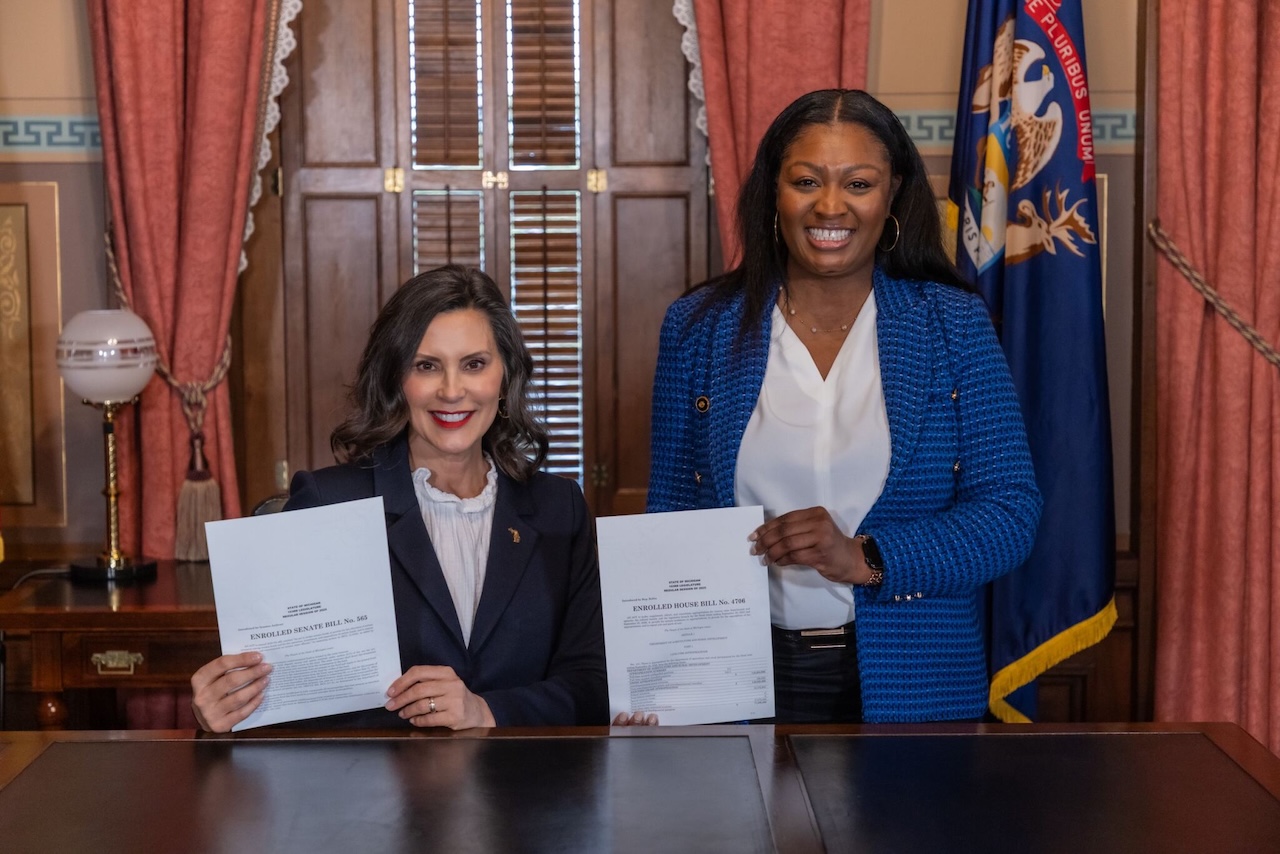
The 2026 state budget protects critical healthcare services for Michiganders of all ages and from all walks of life. These investments support Michigan families and seniors, strengthen care for vulnerable populations, and bring us one step closer to ensuring every Michigander has access to the services they need to thrive. Below, you will find a breakdown of key investments and protections that will make a real difference for people in every corner of our state.
If you or someone you know would like to provide any feedback about what’s happening in Lansing, or if you need assistance of any sort, please connect with my office. You can contact me by sending an email to SenSAnthony@senate.michigan.gov or by calling (517) 373-6960.
In Service,
Sarah Anthony
State Senator
District 21

Medicaid and Affordable Care
We are living in a time when attacks on working people are at an all-time high, but I won’t stop fighting to ensure everyone has the resources they need to succeed here in Michigan. Everyone deserves access to high-quality health care, and protecting the social safety net is an important role we play as elected officials. This budget protects Michigan’s Medicaid program for 2.6 million Michiganders and enables providers to continue delivering essential services to those in need.
The funding we secured in the 2026 budget will:
- Provide full funding for caseload adjustments so managed care entities, including nursing homes and assisted living facilities, can maintain high-quality patient care and support caregiving staff.
- Sustain strong funding for Medicaid, Public Assistance, and child welfare programs despite rising patient numbers.
- Protect Medicaid dental services for all ages.
Hospitals and Providers
Our health care system relies on dedicated providers and professionals from direct care workers and nurses to ER physicians. Health care workers serve an essential role in our community, yet many face challenging workloads and low pay, while hospital systems and independent clinics struggle to survive federal funding cuts and workforce shortages. This budget ensures hospitals and health care facilities have the resources they need to provide care across both urban and rural areas alike by:
- Protecting critical funding for hospitals after severe federal funding reductions.
- Maintaining direct care worker wages.
- Providing additional resources for local public health departments.
- Providing $54.8 million in funding for Mi Choice, in-home senior living program to support individuals and their caregivers if they choose to age in place at home.
Maternal Health
Since I took on the role as Senate Appropriations Chair, we have worked hard to improve maternal health care and close racial health disparities across the board. This year, we fought to maintain critical investments in comprehensive initiatives designed to improve maternal health such as Centering Pregnancy programs, MI-AIM safety bundles, local Perinatal Quality Collaboratives, and the Plan First family planning program. We also funded the Michigan Clinical Consultation and Care program, known as MC3, to help us build toward the goal of connecting every pregnant individual or child in need of mental health services with a provider. Finally, we also utilized one-time dollars to expand services for moms to ensure everyone sees themselves reflected in state services available.
Behavioral Health and Wraparound Supports
Here in Michigan, we understand that mental health is just as important as physical health. That’s why we are committed to building a comprehensive behavioral health care system that provides you with the services you need — from addiction and substance use disorder to treatment for mental illness or trauma. To help us achieve that goal, we secured:
- $76.8 million for Opioid Healing and Recovery Fund.
- $8.6 million for behavioral health services tailored to the unique needs of Michigan communities, including cultural competency.
- $5 million for permanent supportive housing to expand housing for those with behavioral health needs.
- On-going funding for community behavioral health clinics to ensure comprehensive care is available where it’s needed
- Continued support for victims of crime and domestic violence.
Services for Youth
This budget invests in core programs that ensure our young people grow up healthy and strong. Data shows that prevention is key to ensuring positive outcomes for youth, so we’ve invested in innovative programs to ensure kids have the resources they need from infancy to their teenage years. Included in the 2026 state budget. is:
- $9.76 million for Michigan Youth Treatment Center, a state-run juvenile justice center that offers therapeutic, educational, and recreational services for youth.
- $27 million for statewide expansion of Family Impact Teams, a program that partners family resource specialists with CPS and Foster Care staff to help families involved in the child welfare system access public assistance programs.
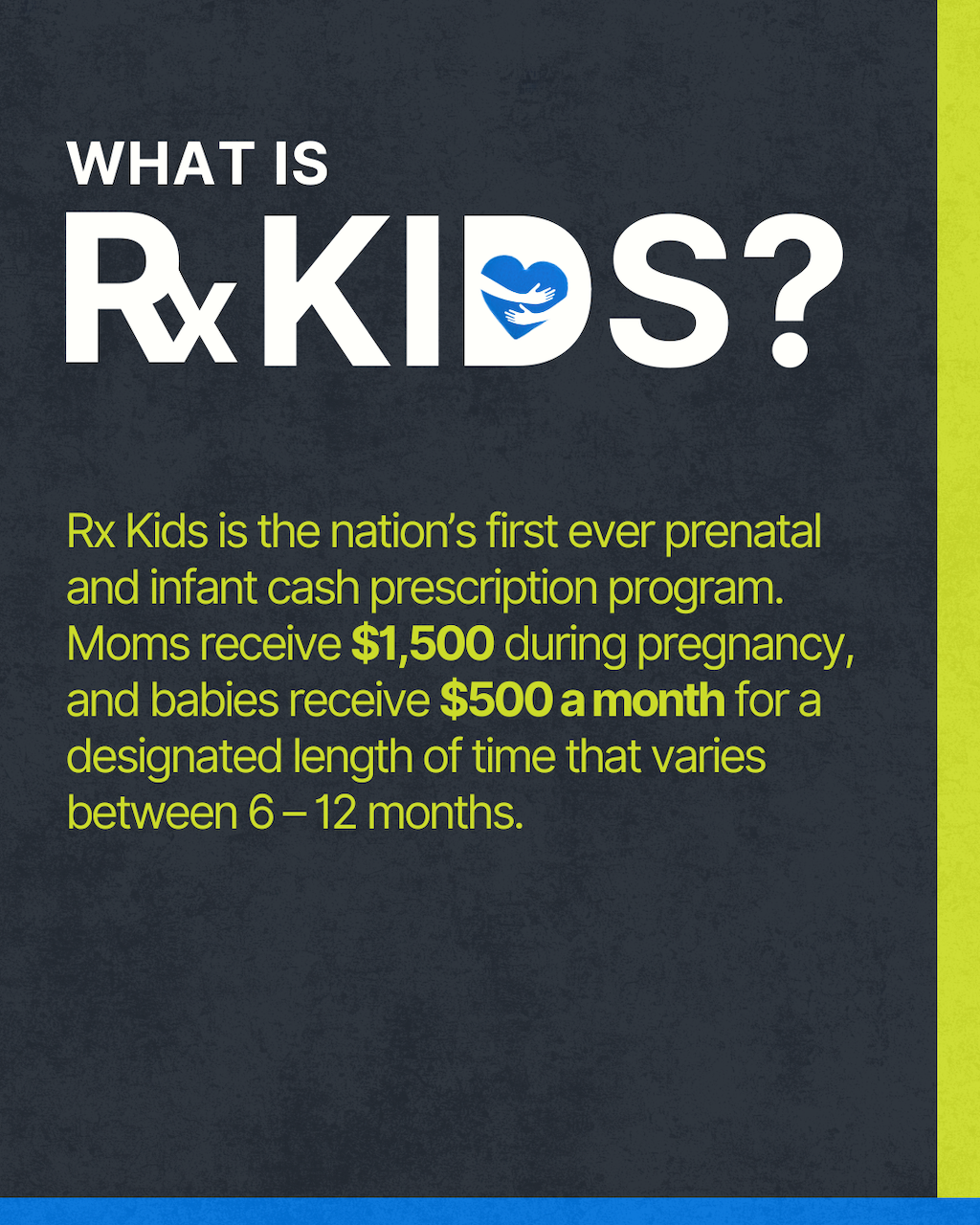
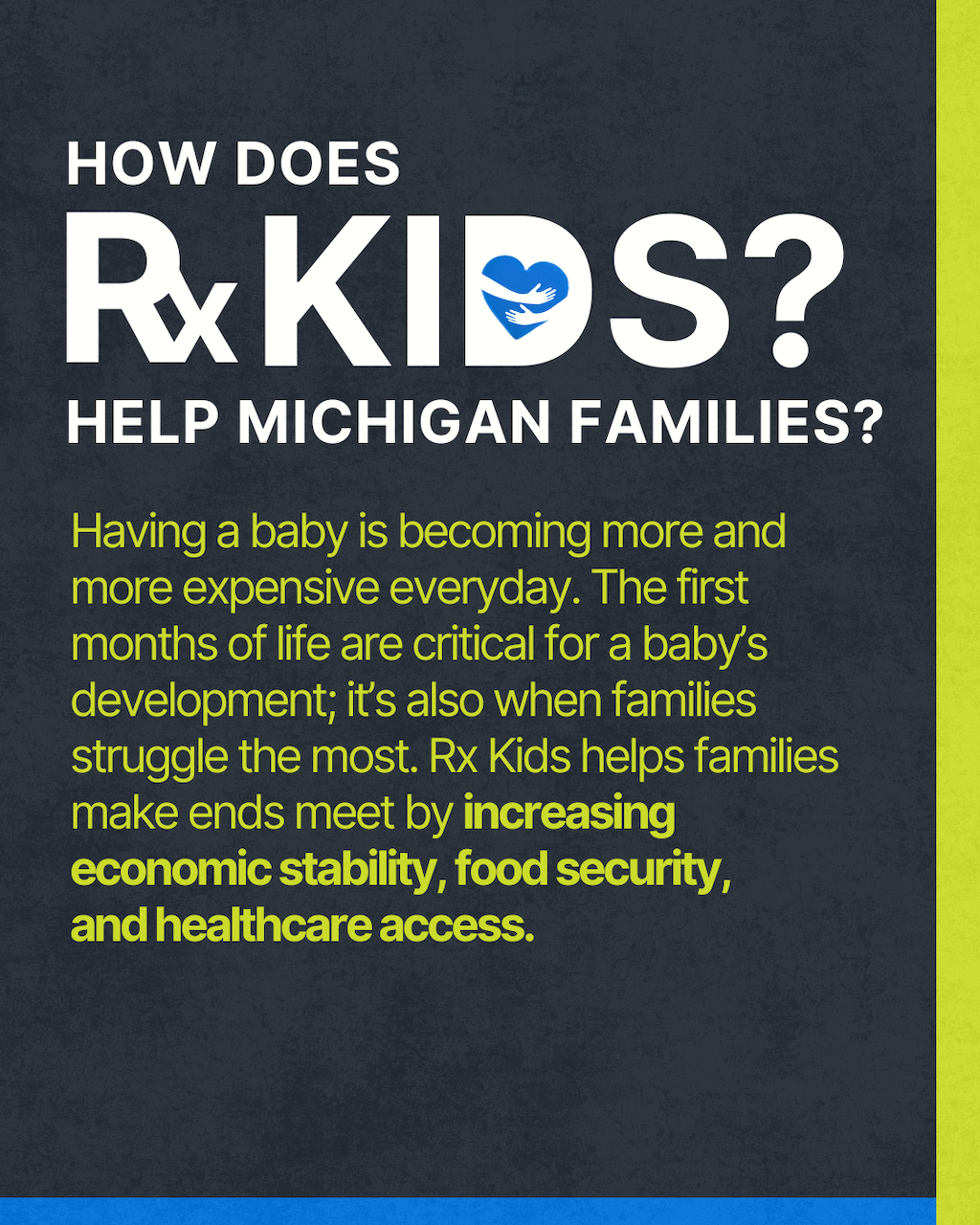
- $250 million for Rx Kids, which provides cash assistance for pregnant individuals and new parents in high-need communities across the state.
- $22 million in funding for Community Violence Intervention programming across the budget, including funding for the DHHS CVI office and $1.8 million in competitive grants.
Lowering Costs and Supporting Public Assistance Programs
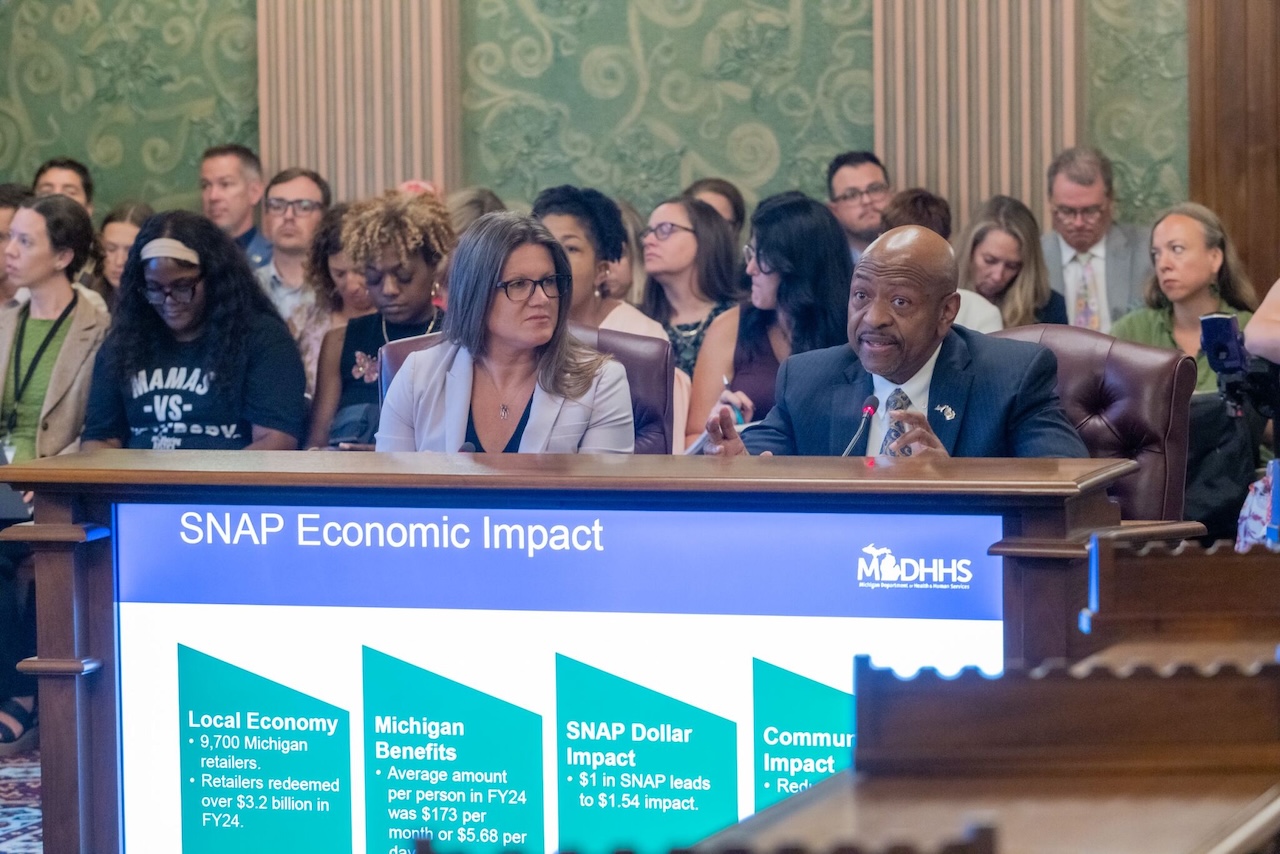
It’s no secret that costs have gone up. Sometimes it feels difficult to get by with a single job anymore, let alone provide for your family. I am listening, and we are here to help. This budget includes investments in affordability programs to help lower costs for utility bills and other essential services, like drinking water. We’re also working hard to ensure your public assistance programs are working for you by investing in measures to streamline government operations of programs like SNAP and ensure you can easily access your food benefits. More specifically, this budget includes:
- $30 million to reduce SNAP error rates.
- $16 million to modernize EBT cards.
- $50 million for the Michigan Energy Assistance Program, which provides guidance and resources to households to lower energy expenses and maximize energy efficiency.
- $5 million to remove barriers to clean drinking water and improve water affordability.