
Dear Neighbor,
It is an honor serving our community in the state Senate, where my colleagues and I have worked hard on policies that support people struggling to make ends meet. Between groceries and water bills, childcare and doctors’ visits, the cost of living takes a toll on all of us. As we face these increased costs and economic uncertainty, Michiganders need real, immediate relief.
That’s why I’ve been determined to give families a little extra breathing room in their budgets. Whether it be affordable bills for water and sewer services, utility bills, or auto insurance rates, everyone should be able to afford the goods and services they need. We’ll continue fighting for those who need the most support.
As always, my team and I are here to serve you. If you need help navigating resources or have questions, feedback, or concerns you’d like to share, please don’t hesitate to contact my office at SenSChang@senate.michigan.gov or 313-922-6949.
Sincerely,
Stephanie Chang
State Senator
District 3
SenatorStephanieChang.com

Safeguarding Access to Affordable Housing
The Homestead Property Tax Credit (HPTC) has been a valuable resource for homeowners for more than 50 years. But as housing costs continue to rise, bipartisan legislation has been introduced in the Senate to build on the credit’s success and make housing more affordable and accessible for all residents.
Senate Bill 345 would expand the HPTC, providing meaningful tax relief to nearly half a million Michigan renters and homeowners. This legislation modernizes the HPTC by expanding eligibility and increasing the credit amount, helping middle-class families, married couples who don’t have children, renters, and seniors keep up with the rising cost of living.
The proposal is expected to benefit approximately 500,000 filers, including 250,000 new claimants, by adjusting income thresholds and credit calculations. The HPTC is currently unavailable for households with an income over $60,700, regardless of filing status.
In previous years, we invested over $50 million in the state’s Housing and Community Development Fund, which prioritizes affordable housing projects for veterans, seniors, people with disabilities, and working families. This is the first permanent dedicated funding for affordable housing and community revitalization in state history.
I’ve also reintroduced legislation to help with the property tax burden on seniors in areas where property values are increasing. Senate Bill 192 would freeze the property taxes for lower-income seniors who have lived in their homes for more than ten years.
Saving Homes from Tax Foreclosure
In 2019 and 2020, the Michigan Legislature created important tax foreclosure prevention programs: Pay As You Stay (PAYS) and Tax Foreclosure Avoidance Agreement (TFAA), or as it is called in Wayne County, the Interest Rate Stipulated Payment Agreement (IRSPA). PAYS allows county treasurers to implement a reduction of delinquent taxes owed on a forfeited property under certain circumstances while TFAA/IRSPA allows foreclosing governmental units to enter payment plans with eligible taxpayers to continue collecting taxes instead of foreclosing on the home whereafter no taxes would be paid.
Unfortunately, the legislation authorizing PAYS expired in Summer 2025, and TFAA is set to expire in 2026. With families continuing to struggle with costs rising all around, it is imperative that we help Michiganders stay in their homes. That’s why I introduced Senate Bill 423 to permanently change state law to allow county treasurers the option to start or maintain these programs to help struggling homeowners keep their homes while working with them to pay their taxes.
On October 29, the Senate passed my bill by a vote of 34 to 1, and it is now pending in the House Committee on Government Operations. I will continue to push for this change so we can ensure we are doing our very best to help keep struggling homeowners and their families housed.
Protecting the Water You Need
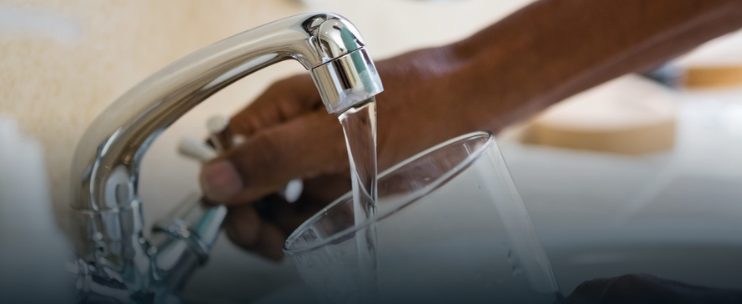
Despite being surrounded by over 20% of the world’s fresh water, residential water rates have become unaffordable for too many Michigan families. It should not matter how much money you have — every human being needs water to live.
This is why I have worked tirelessly on making sure every household in Michigan has access to clean, affordable water since I started in the legislature. I am proud that water providers, advocates, and community partners from across the state have come together with shared goals of improving public health and helping vulnerable Michigan communities. Our bipartisan water affordability legislation, Senate Bills 248-256, would help low- income Michiganders pay no more than 3% of their household income on water. This legislation would also provide critical shut- off protections for those whose health conditions require access to water in the home, and assistance with plumbing and repairs so that families stop being charged for water they are not using.
To learn more about what we’re doing to tackle high water prices, visit www.miwaterplan.com.
Keeping the Lights On
Utility rates have gone up 11% since Jan. 2025 and are putting the squeeze on Michiganders. While the current federal administration rolls back progress on climate change solutions and drives prices up, my colleagues and I will continue fighting to lower utility costs and provide clean energy for Michigan residents.
More specifically, Senate Bill 768 would lock in utility rates for multiple years, preventing surprise spikes in monthly bills. Senate Bills 731-732 would use virtual energy plants to ensure affordable, efficient energy and pricing for Michiganders. I am proud to support these bills.
Senate Democrats are firmly committed to protecting the ability of all Michiganders to afford life’s necessities with dignity, from health care to housing.
Combating Price Gouging
To rein in rising prices and ridiculous fees, I will continue to hold deceitful business practices accountable and shield Michigan consumers from unfairly priced goods and services. With the help of Attorney General Dana Nessel and my Democratic colleagues, I look forward to supporting legislation to strengthen Michigan’s price gouging laws.
This would target price gouging on consumer goods, emergency supplies, lodging and energy products like gasoline or propane — making sure everyone can afford what they need to get by.
Holding Auto Insurance Companies Accountable
While auto insurance coverage is intended to provide a safety net to those on the road, too often we’ve seen insurers operate with unscrupulous and unchecked behavior, leaving Michiganders without the critical support they rely on — and that they’ve paid into. Michigan has some of the most expensive auto insurance rates nationwide, and we deserve the quality protection we pay for.
Last fall, my colleagues and I crafted legislation to safeguard against poor business practices of insurers. Senate Bills 543-550 would prevent insurers from taking advantage of our hardworking residents, especially after accidents or in other times of trouble.
I hear often from residents about how unfair our auto insurance rates have become over the years. For many years, I’ve introduced legislation to address the issue of non-driving factors such as credit information and geographic location being used to determine how much you pay for car insurance. I’m proud to work with Sen. Mary Cavanagh on these bills.

Improving Care & Lowering the Cost of Prescription Drugs
Senate Democrats have maintained our commitment to lowering prescription drug prices and health care costs while improving people’s access to and quality of care. This includes passing bills to:
- Keep prescription drugs affordable and accessible;
- Strengthen support for rural hospitals;
- Establish hospital price transparency;
- Improve mammogram testing and reporting;
- Improve outcomes for moms and babies of color; and
- Require insurance coverage for certain over-the-counter contraceptives.
We also passed legislation to establish a Prescription Drug Affordability Board (PDAB) in Michigan — an independent body designed to lower drug prices and hold Big Pharma accountable. Made up of experts in health care, economics, and supply chain management, the PDAB would recommend ways to lower drug costs and set upper limit payments to make expensive medications more affordable.
Stay Connected
Sign-up for my e-newsletter, check out my upcoming events, and stay updated on my work at the Capitol and in the community by visiting SenatorStephanieChang.com.